Antique Painting Buyers: From Historical Research To Valuation
- Posted on 18th September 2026
- in Uncategorized
- by Antique Art Buyers
An old painting can serve a purpose beyond decoration; in some cases, it may also have considerable monetary value and artistic, historical, and cultural importance. However, it is not always easy to work out what an antique painting is really worth.
This is where professional antique buyers can help. They look beyond a painting’s appearance and consider its history, artist, age, condition, authenticity, and current market demand to determine its value.
If you have an old painting and aren’t sure whether it is valuable or just a nice one, understanding how experts evaluate it can help you make a more informed decision.
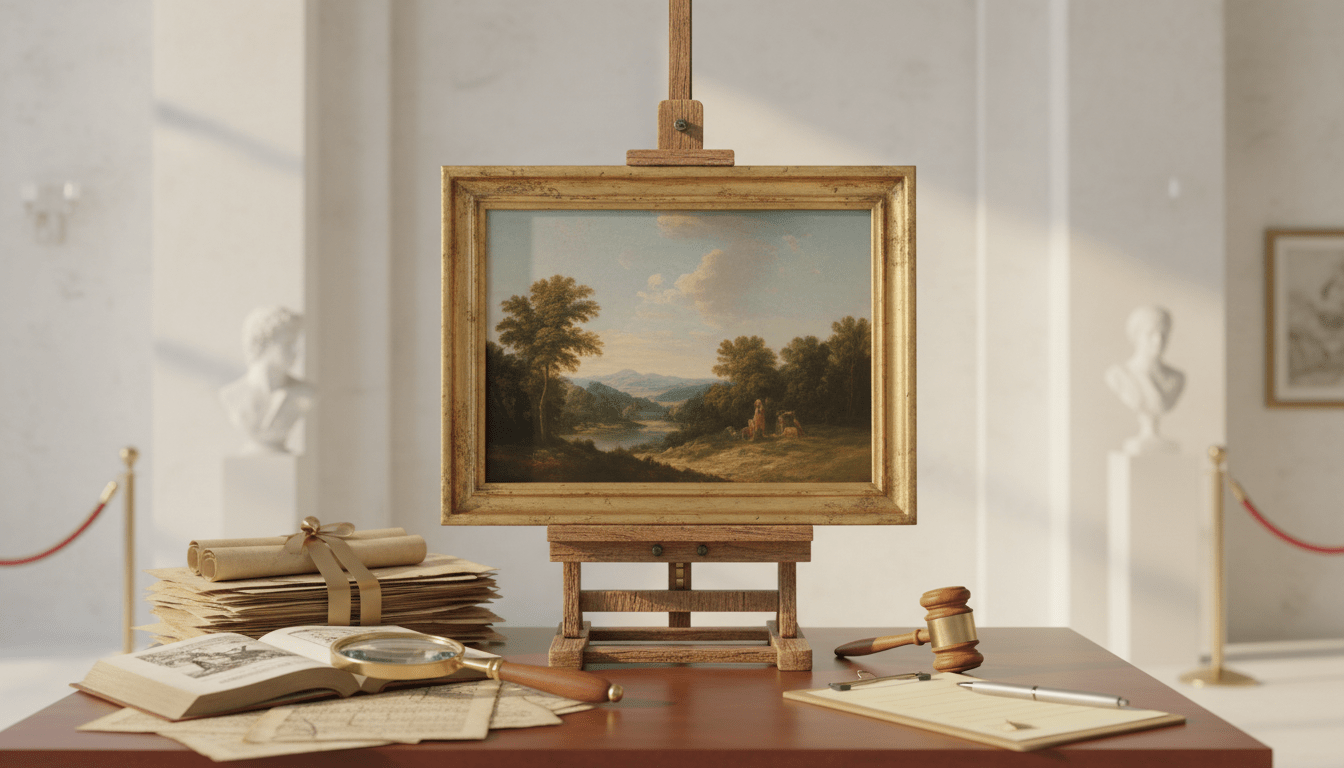
What To Look for in Old Paintings?
It is very difficult to tell what you actually have when it comes to an old painting. A painting might look old because of its frame, faded colors, or surface wear, but none of these features alone proves the painting is old or genuine.
Historical research can shed light on important details, including:
- The possible artist or school of art
- The period when the painting was created
- The painting’s subject and artistic style
- Previous ownership or provenance
- Materials and techniques used
- Similar works that have appeared in the market
Without this information, owners could undervalue a valuable painting or overvalue one with limited market demand.
The Problem With Guessing a Painting’s Value
Searching for a similar painting online may offer a useful starting point, but it seldom leads to an accurate value assessment. This is because two paintings that look the same can have very different values because of factors such as the artist, condition, provenance, rarity, and authenticity.
That is why experienced antique buyers and appraisers tend to rely on research rather than appearance.
How antique painting buyers value art?
When professionals decide whether to buy a painting, they generally consider several factors.
1. Artist and Art Style
The artist’s identity can greatly affect a painting’s value; if the artist is unknown, experts examine the painting’s style, technique, subject matter, signature, and other features to determine its possible origin.
A painting may still be linked to a particular school or phase of art even if the original artist is unknown.
2. Age and Historical Importance
Age is also a significant factor, but it does not mean that older is better. A painting with historical significance, rarity, or excellent artistic merit may draw greater interest than another picture of the same age.
Historical research can help determine when and where a painting was produced.
3. Condition and Restoration
Cracks, fading, tears, missing paint, water damage, and earlier restoration work can affect a painting’s condition and value.
Experts carefully examine the work to determine whether the changes result from natural aging, damage, or restoration. In some cases, excessive restoration can reduce an antique painting’s desirability.
4. The history of ownership and provenance
Provenance refers to the history of who has owned a piece of art; old bills, exhibition records, auction records, family papers, photographs, or other relevant evidence can establish the painting’s background.
A well-documented history makes it easier to authenticate and understand the artwork.
What Happens During an Antique Painting Appraisal?
A painting that is antique has to have it looked at, and research carried out, in order to determine its identity, condition, significance, and its possible market value.
A professional will check:
- Canvas, wood panel, or other support materials
- Paint and artistic techniques
- Signature and markings
- Frame and construction
- Visible repairs or restoration
- Provenance and documentation
- Comparable artworks and market information
The aim is to better understand the painting, not merely make a quick visual judgment.
Antique Art Appraisal vs. Antique Painting Valuation
These terms are related, but can do slightly different things. Antique art appraisal is generally a professional assessment of an artwork’s qualities and value for a defined purpose.
Antique painting valuation is the process of determining a painting’s monetary value, taking into account factors such as authenticity, condition, rarity, provenance, and the current market.
The purpose of the assessment is also important. An insurance valuation, estate valuation, and possible selling price may not be the same.
How to Value Antique Paintings?
If you’re wondering how to value antique paintings, start by gathering as much information as you can.
Check the artwork for signatures, labels, dates, inscriptions, gallery stickers, auction records, and any related paperwork.
Do not clean, repair, or modify the painting until a professional has examined it, since even well-meaning changes can damage the surface or erase useful evidence.
Why Online Estimates May Not Be Enough?
While online searches can help you learn more about other artists and their paintings, they can’t always account for the specific condition and history of your artwork.
For instance, two paintings by the same artist can have different values because one might have better provenance, be in better condition, be rarer, or have more desirable subject matter.
A professional evaluation can give a more complete picture.
Questions To Ask Antique Painting Dealers
If you intend to sell an old painting, contact reliable antique painting dealers or professional buyers and ask about their valuation process.
Useful questions include:
- How will they assess the painting’s authenticity?
- What factors are currently being taken into account in the valuation?
- Does the condition have an effect on the estimated value?
- Has the artist or the period been confirmed?
- Should further research or appraisal be recommended?
- What documentation could support the painting’s history?
If you understand how the process works, you can avoid making decisions based on assumptions.
FAQ: Antique Painting Buyers and Valuation
How do people who buy antique paintings figure out what they are worth?
They can consider the artist, age, authenticity, condition, provenance, rarity, artistic significance, and current market interest. No single factor determines the value of every antique painting.
Should I have an antique painting appraised before selling it?
An appraisal can help when you do not know the painting’s provenance, authenticity, or possible value, because it gives you more information before you decide what to do with the artwork.
Does the fact that a painting is old mean that it has high value?
Age alone does not guarantee high value; factors such as the artist, condition, rarity, authenticity, provenance, subject, and market demand can influence it.
Can antique painting dealers tell if a painting is real?
Some dealers have substantial expertise, but authentication may require specialized research or examination depending on the artwork. For potentially significant pieces, an independent professional appraisal or additional authentication may be appropriate.
Make an Informed Decision About Your Antique Painting
An antique painting can hold a story that is not immediately visible. Its true significance may only become clear after researching its artist, historical period, materials, condition, and ownership history.
Rather than guessing what your painting is worth, consider working with experienced antique painting buyers or professional evaluators who can examine the artwork carefully and explain the factors behind its valuation.
Whether you are researching a family heirloom, considering a sale, or simply curious about an old painting, professional knowledge can help you understand what you have and make a more informed decision.